Turn the flare camera you already have into the record regulators ask for

Agnify watches the cameras on your flares, pads, rigs, racks and plants, and turns them into flame-out and smoke events, danger-zone alerts and audit-ready logs your team can act on the same shift.

Works with the fixed and PTZ cameras already on site Designed around US EPA flare rules and EU Methane Regulation Art. 17 Cloud by default; on-site processing scoped for remote pads
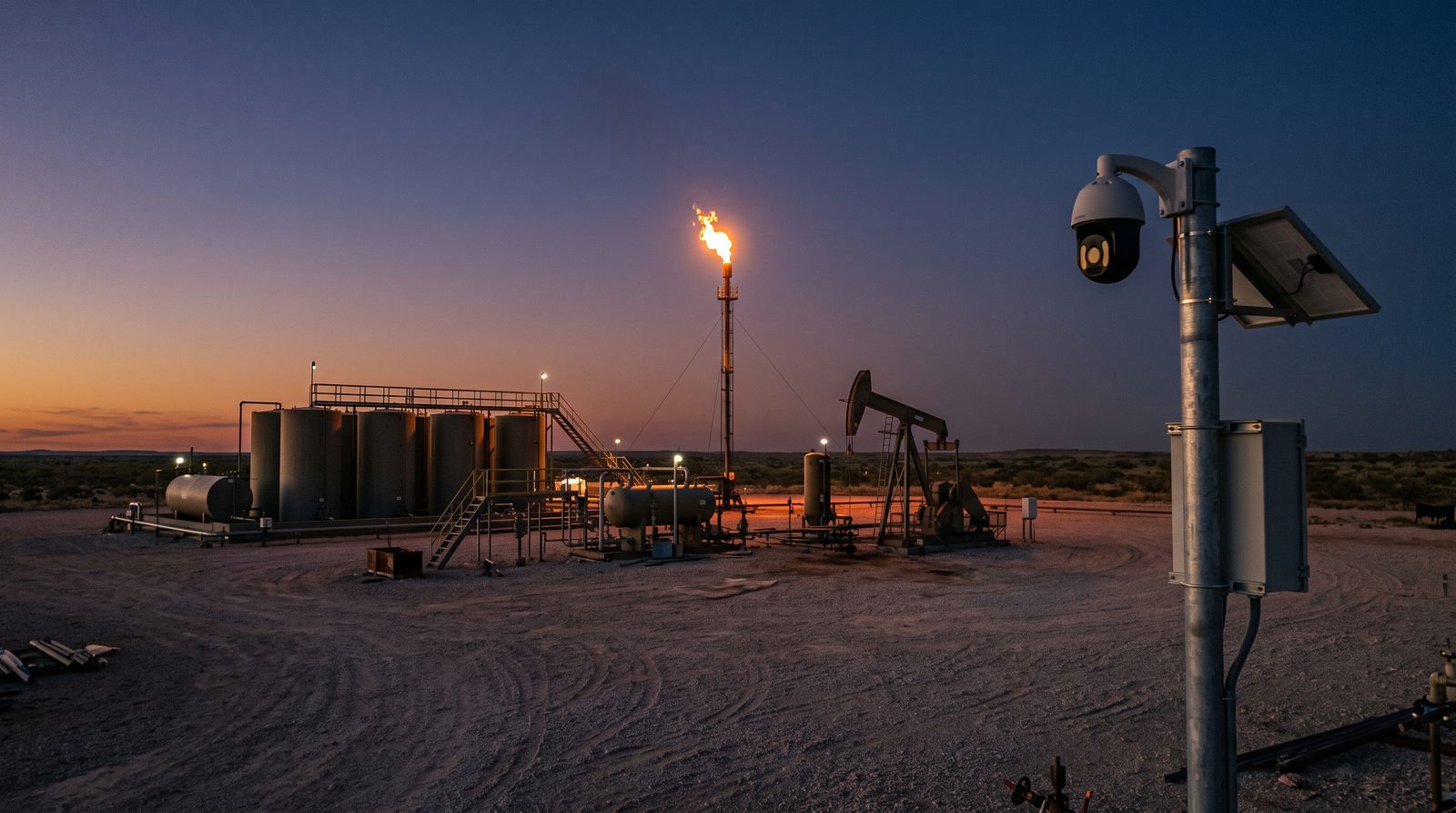
Generated illustration
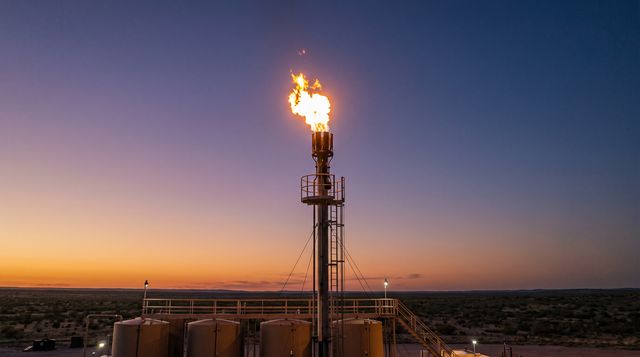
A well pad at dusk with a lit flare stack, tank battery and pumpjack, watched by a PTZ camera on a solar-powered mast
CAM-F2 · Pad 14 · flare and tank batteryExample site

Flaring is rising, the rules are timed to the minute, and misses are expensive

167 bcm

Billion cubic meters of gas flared worldwide in 2025, the third straight annual rise; about $54B of gas burned1

World Bank GGFR, 2026
5 min

Smoke allowed in any 2 hours, in both the US refinery flare rule and the EU Methane Regulation5 3

40 CFR 63.670; Reg. (EU) 2024/1787
15 days

EU inspection interval for regularly used flares, unless the authority approves remote or automated monitoring instead3

Reg. (EU) 2024/1787, Art. 17(3)
$241.5M

Settlement with a US oil producer over tank and flare controls; flare monitoring was part of the fix2

US DOJ and EPA, 2024

US and EU regulators now accept a camera on the flare

The rules ask if the flame is lit, if it's smoking and for how long. Agnify turns your flare camera into that record.

US REFINERIES AND CHEMICAL PLANTS
40 CFR 63.670(h)(2)

A video camera with a time-and-date-stamped frame at least every 15 seconds and a live feed to the control room or another continuously manned location can replace the daily 5-minute Method 22 smoke observation. The HON, ethylene and MON rules adopt the option, with their own dates.5

Limit: no smoke for more than 5 minutes in any 2 hours
US PRODUCTION AND MIDSTREAM
40 CFR 60.5417b(h) and 60.5417c(h)

On flares and combustors under OOOOb and OOOOc, video can replace the monthly Method 22 check: 720p or better at 15 fps, a live feed to a continuously manned location, a stamped frame at least every 15 seconds, a daily operator check and camera placement rules.5

Limit: no smoke for more than 1 minute in any 15

EUROPEAN UNION
Reg. (EU) 2024/1787, Art. 17

For flares in scope with auto-igniters or continuous pilots, flame supervision must "constantly monitor" the main or pilot flame. Regularly used flares are inspected every 15 days, or by remote or automated monitoring the authority approves. Irregularities are remedied within 6 hours. Flare requirements apply since 5 February 2026.3

Limit: smoke over 5 minutes in 2 hours, recorded live

Generated illustration · example boxes
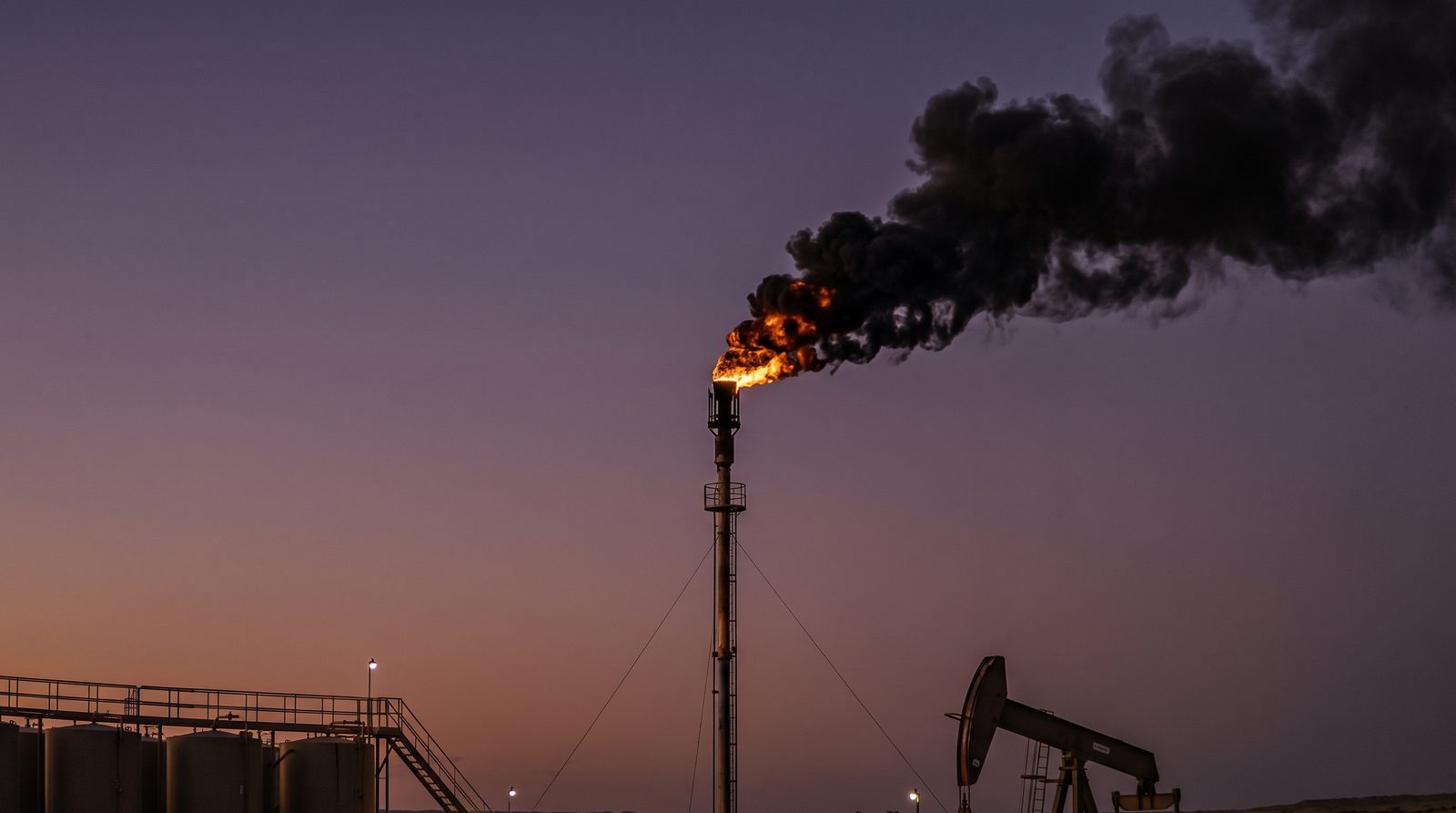
Camera view of a flare tip trailing black smoke at dusk
CAM-F2 · Pad 14 flare · PTZ preset 119:42

Boxes and events are an illustration with example data, not model output.

Flare F-2 · Pad 14Rolling 2-hour smoke window · example data
Over limit
Smoke in the last 2 hours6 min 40 s
Limit in the permit5 min

    Proposed workflow: each event keeps a frame every 15 seconds and the clip, so the log and the evidence match. Flare-specific detection and the smoke timer are validated in a pilot on your footage. Pilot monitors stay in place; Agnify adds the visual record.

    6 hoursEU deadline to remedy a detected flare irregularity. Continuous monitoring surfaces irregularities as they happen rather than at the next 15-day visit, with the frame kept as evidence3
    365 checksDaily Method 22 observations per refinery flare that the video option replaces; illustrative labor of about $6,800–13,700 per flare a year6
    12 checksMonthly Method 22 observations per upstream flare or combustor that the OOOOb video option can replace, on every pad in the fleet5

    Six jobs the same cameras can do across your sites

    Start with the flare, then use the cameras you already pay for on the rest of the site.

    Prove every minute of every flare

    Flame out, smoke minutes and flaring hours, each with its clip, against the limit in your permit.

    Catch leaks and spills at the source

    Open thief hatches, overfills and pooling at racks and dikes. Add your gas-imaging camera where the survey schedule pays for it.

    Keep people out of danger zones

    Red zones on the drill floor, under suspended loads and around pressure tests, and trucks near people. US oil and gas extraction and support activities recorded 65 fatal work injuries in 2024.4

    Show every watch was in place

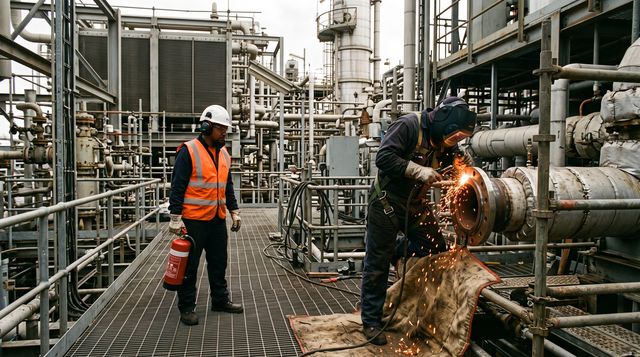
    Fire watch present, confined-space attendant at the manway, unloading attended, PPE worn.

    Watch unmanned sites without a guard

    Intrusion, theft and after-hours vehicles at pads and stations, and excavators near the right-of-way.

    Keep trucks, loads and crews moving

    Rack queues, haul-truck dwell on the pad, gate logs, crane and equipment running time, turnaround headcount.

    Cameras already watch every stage of the chain

    From the fabrication shop to the loading rack, here is what Agnify watches for at each stage.

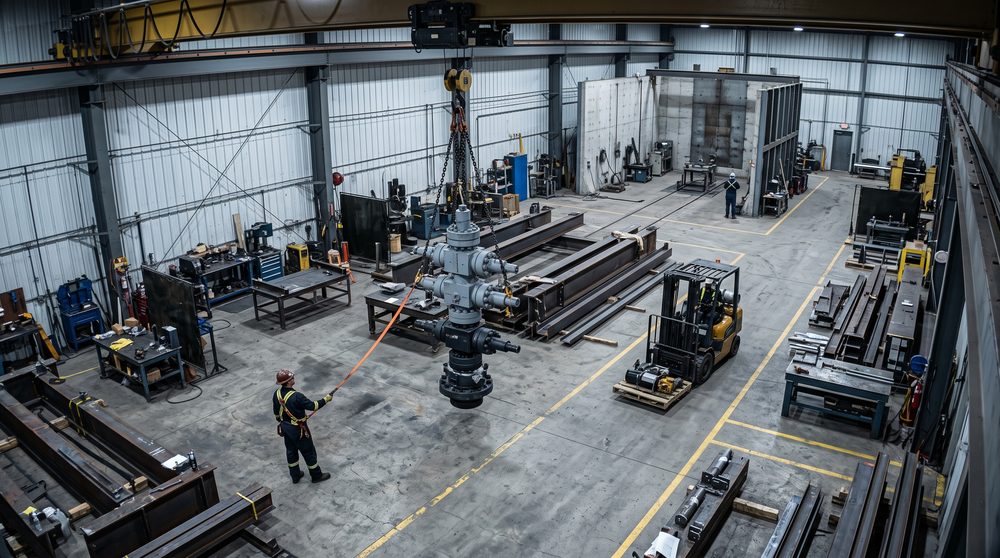
    Fabrication shop floor with an overhead crane lifting a blowout preventerGenerated illustration
    01

    Equipment manufacturing

    • Safety: crane loads, test bays, forklifts and PPE
    • SOP steps followed at assembly and pressure test
    • Machine and station running time
    • Shipping loads counted and secured
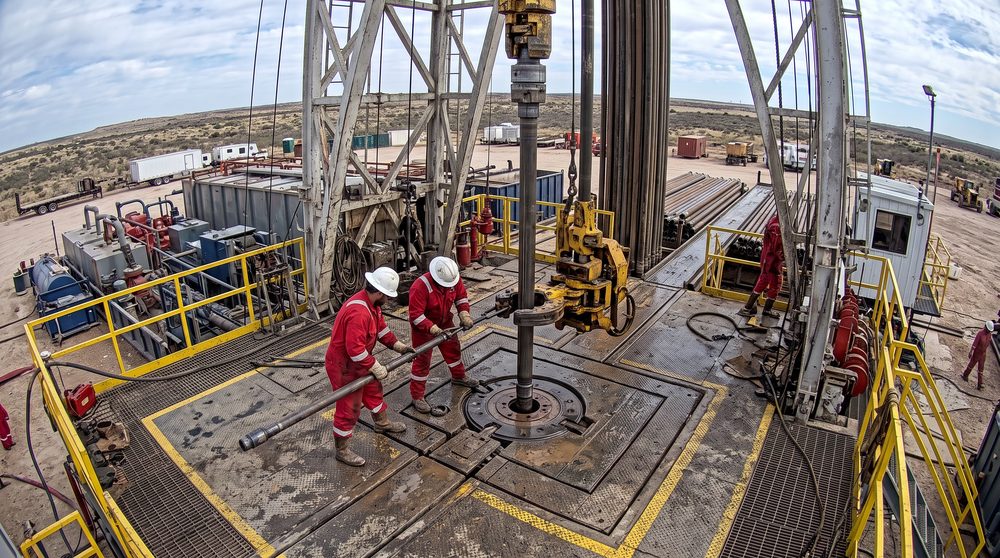
    Drill floor seen from above with two crew members at the rotary tableGenerated illustration
    02

    Drilling and completions

    • Drill floor red zone during pipe handling
    • Dropped-object zones under the derrick
    • Frac spread truck flow and dwell
    • Hard hats and FR coveralls
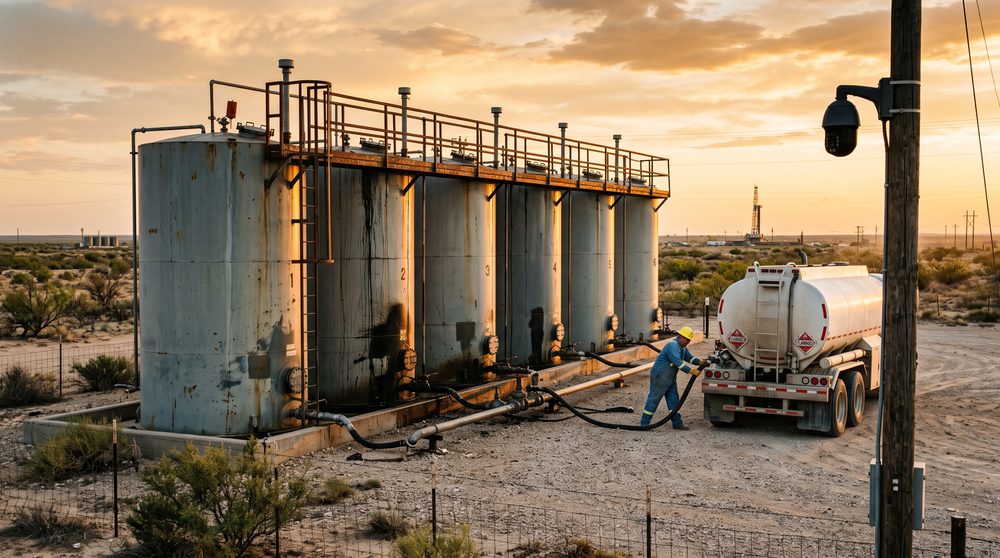
    Tank battery with a crude haul truck loading at sunsetGenerated illustration
    03

    Production

    • Flares and combustors: flame and smoke
    • Thief hatches left open
    • Haul trucks on and off the pad
    • Intrusion and theft at remote pads
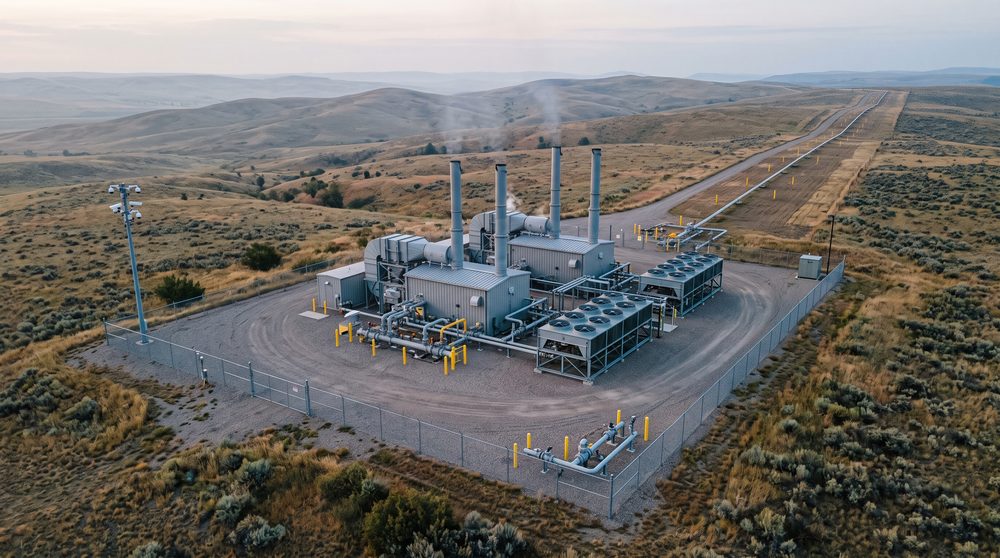
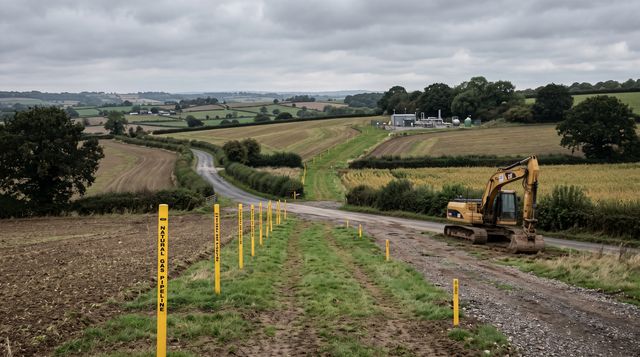
    Natural gas compressor station with a pipeline right-of-way running across hillsGenerated illustration
    04

    Midstream

    • Compressor station and gas plant flares
    • Gas imaging where surveys are frequent
    • Excavators near the right-of-way
    • Perimeter at stations and LNG sites
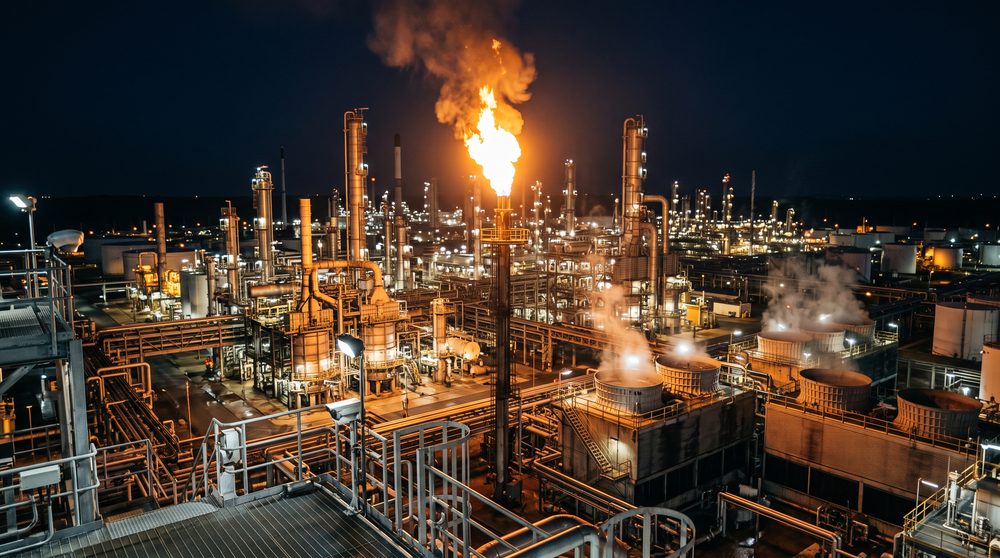
    Refinery at night with a flare burning over the process unitsGenerated illustration
    05

    Refining and petrochemicals

    • Flare smoke under the video option
    • Fire watch during hot work
    • Confined-space attendant at the manway
    • Turnaround headcount by unit
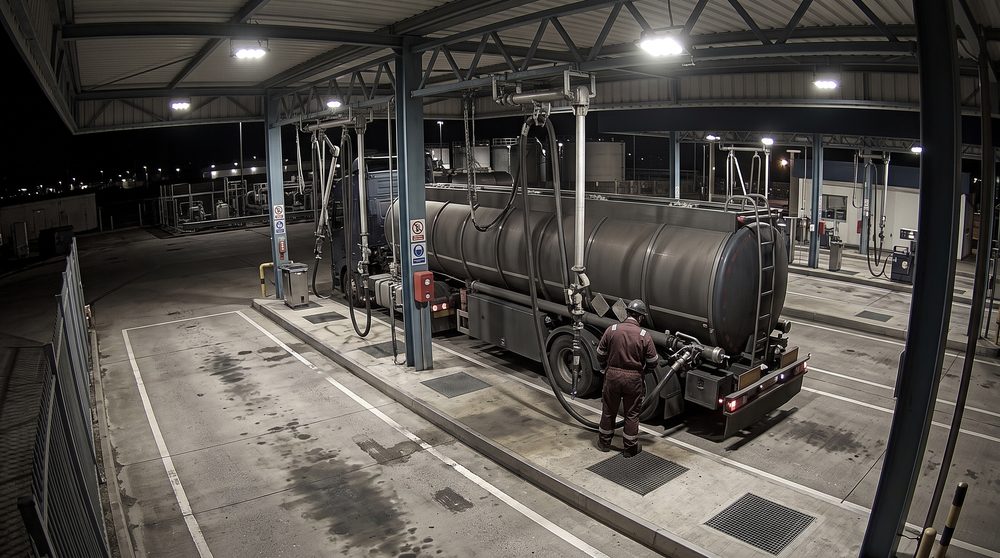
    Tanker truck in a loading rack bay at night with the driver at the loading armGenerated illustration
    06

    Terminals and distribution

    • Hoses off before the truck leaves
    • Rail and truck unloading attended
    • Marine terminal perimeter
    • Spills and sheen at the rack

    39 applications on the same cameras

    The three that matter most in each group first. Each is a rule on a camera view; a feasibility study shows which work on yours.

    Flares, emissions and fire

    A flare burning cleanly at duskGenerated illustration
    Smoke timerMinutes of smoke against 5 in 2 hours (US refineries, EU) or 1 in 15 (OOOOb)
    Flame present or outFlame supervision under EU Art. 17(4); pilot-out periods for reporting
    Flaring event logTimeline and images to support EU Art. 16 notices and US reports
    AlsoFlowback and well-test flaresThief hatch openLeak plumes on your OGI cameraFenceline smokeTank farm fire

    People and danger zones

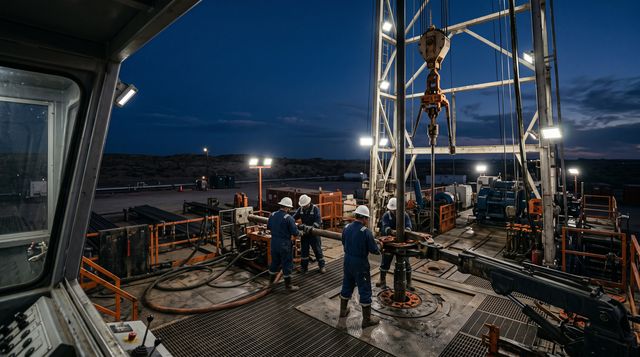
    Crew at the rotary table on a drill floor at duskGenerated illustration
    Drill floor red zoneOSHA: 3 in 5 on-site deaths involve struck-by or caught hazards9
    Suspended loadsNobody under a crane or rig lift, in the shop or on the rig
    Trucks and peopleVehicle incidents caused 26.8% of oil and gas extraction deaths, 2014–201910
    AlsoFrac iron red zonePressure-test baysDropped-object zonesRadiography boundaryPPEIgnition sourcesPerson down or overboard

    Permits and procedures

    A welder doing hot work with a fire watch standing byGenerated illustration
    Fire watch presentDuring and 30 minutes after hot work (OSHA 1910.252)
    Confined-space attendantAt the manway for the whole entry (OSHA 1910.146)
    Loading rack stepsGrounding clamp on, driver out of the cab, fall arm down before loading
    AlsoSOP steps followedWork without a permitUnloading attendedHose off before departureRailcar topsDock transfer watchMuster headcountSpills and sheen

    Sites and operations

    A pipeline right-of-way with an excavator parked nearbyGenerated illustration
    IntrusionPeople and vehicles at unmanned pads and stations, with the clip
    TheftCrude, fuel and equipment taken from remote sites
    Site-visit logWho came, when and for how long, for inspection records
    AlsoProduced-water haulsRight-of-wayGate and contractorsTruck dwellTurnaround headcountPipe and inventory countsEquipment running

    Where the rules and the cameras meet

    The US and EU rules that create a monitoring or record-keeping duty a camera can help with, and what Agnify records.

    RuleApplies toWhat it asksWhat Agnify recordsCamera

    A summary for orientation, not legal advice. Status as of September 2026; several US rules are under EPA reconsideration. "What Agnify records" describes proposed workflows validated in a pilot.

    Standard cameras cover the pad; gas imaging goes where surveys are frequent

    Flares, combustors, thief hatches and trucks run on the cameras most sites already have. Where the rules call for leak surveys every few months, Agnify adds analytics to a gas-imaging camera.

    Well pads and tank batteries: the cameras you haveOne standard camera can watch the flare, the hatches and the haul trucks, with no gas-imaging hardware to buy. Leak surveys stay on their normal schedule.
    LNG terminals, compressor stations, gas storageEU surveys run every 4 months (Type 1) and every 8 months (Type 2). A fixed gas-imaging camera catches large leaks between them.3
    North Sea offshoreLeak surveys are estimated at €3–4.4M per installation per year. Agnify analytics on gas-imaging cameras find large leaks in hours rather than at the next survey.7

    A continuous camera counts toward survey duties only where the regulator approves it.

    Your cameras stay where they are; the record comes to your team

    No rip and replace. Agnify connects to the feeds you already record, on any camera brand.

    STEP 1

    Connect

    Your IP cameras over RTSP, read on site. The recorder uploads over outbound HTTPS and buffers footage locally if the link drops; we confirm the site allowlist before installation.

    STEP 2

    Detect

    Detection for fire, smoke, people and vehicles, plus plain-English rules for your site: zones, limits and durations. Flare-specific models are validated on your footage.

    STEP 3

    Act

    Alerts with the annotated frame go to the people who own the flare or the crew. Events are available through the API, with dashboards and reports for any shift, day or week.

    Cloud by default

    Nothing to host. Results arrive within minutes, which suits flare records, daily reviews and reports.8

    On site for remote pads

    For pads and stations with thin links, on-site processing that sends only events and short clips is scoped per site.

    Hazardous areas

    Agnify is software. Cameras in classified areas use Ex or Class I Div 1/2 housings, or sit outside the zone looking in.

    From your footage to a working result in two weeks

    A free feasibility study on your own flare, pad or rack cameras, with an agreed end date and no commitment.

    1. You send 10 to 15 minutes of footage, or camera accessPick the flare, pad or rack that worries you most. Night footage helps.
    2. We come back with a written resultWhat we can detect on your cameras, how reliably, and what we would alert on.
    3. If it's useful, we scope a pilot togetherOne use case, live on your cameras, judged against criteria agreed up front.

    Questions environmental and HSE teams ask first

    Do we need new cameras?

    Usually not. Most flares, pads and racks already have a fixed or PTZ camera. Where night visibility matters we suggest a thermal camera, and gas imaging only where the survey schedule pays for it. The feasibility study checks angles and resolution on the views you care about.

    Is video accepted by regulators?

    In specific rules, yes: 40 CFR 63.670(h)(2) for refinery and chemical flares and 40 CFR 60.5417b(h) and 60.5417c(h) for OOOOb and OOOOc flares in the US, and Article 17(3) of the EU Methane Regulation with the competent authority's approval. Each sets conditions, such as a live feed to a continuously manned location, stamped frames every 15 seconds, camera placement and a daily operator check. We design the workflow around the rule that applies and validate it with you.

    Does this replace our pilot thermocouple or fire watch?

    No. Thermocouples, certified fire and gas detection, and people on watch stay in place. Agnify adds the visual record and alerts you when something is missing.

    Our pads are remote with poor connectivity. Does it work?

    Yes. The recorder buffers footage locally when the link drops, and for thin links we scope on-site processing that sends only events and short clips over cellular or satellite.

    How do you handle worker privacy in the EU?

    The workflow uses no facial identification or emotion inference, and reports by zone and shift rather than by named person. Whole-person blur can be enabled for video outputs, retention is set to the shortest period the purpose justifies, and EU-region deployment is scoped on request. We prepare privacy impact assessment and works council materials with you during scoping.

    How fast are alerts?

    Typically within minutes of the event. That suits flare records, permits and security. Agnify is not a safety interlock or an emergency shutdown.

    How do we know it's accurate on our sites?

    We measure it on your footage. The feasibility study and the pilot report results against events your team checks by hand, before anything scales.

    Tell us about your flare or site

    Tell us about your site and what you want to find. We'll reply within one business day with next steps for a feasibility study.

    • Free, time bound and no commitment
    • Works from a few minutes of footage or a camera stream
    • Or email info@agnify.ai