

Welding cell and fab shop utilization trackingSee where the hours go in your fab shop
Fab shop productivity monitoring from the cameras you already have: cutting, bending, welding and waiting, measured on every shift.
See it on a real welding hall: activity per worker, every second →See where every station's hours go
Arc, beam-on and bend time against setup and waiting.
See station timeFind the parts that wait
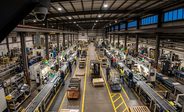
Carts that sit, crane waits and robot cells starved of parts.
See material flowSee value-adding time per worker
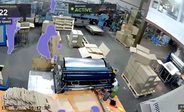
Each person's activity, labeled every second.
Open the exampleForty more answers from the same cameras
Quoted versus actual hours, crane use, safety zones and more.
See all 40Track welding cell utilization and every station's hours
Arc-on, beam-on and bend time per station, against setup, loading and waiting. Manual cells run about 20% arc-on.1
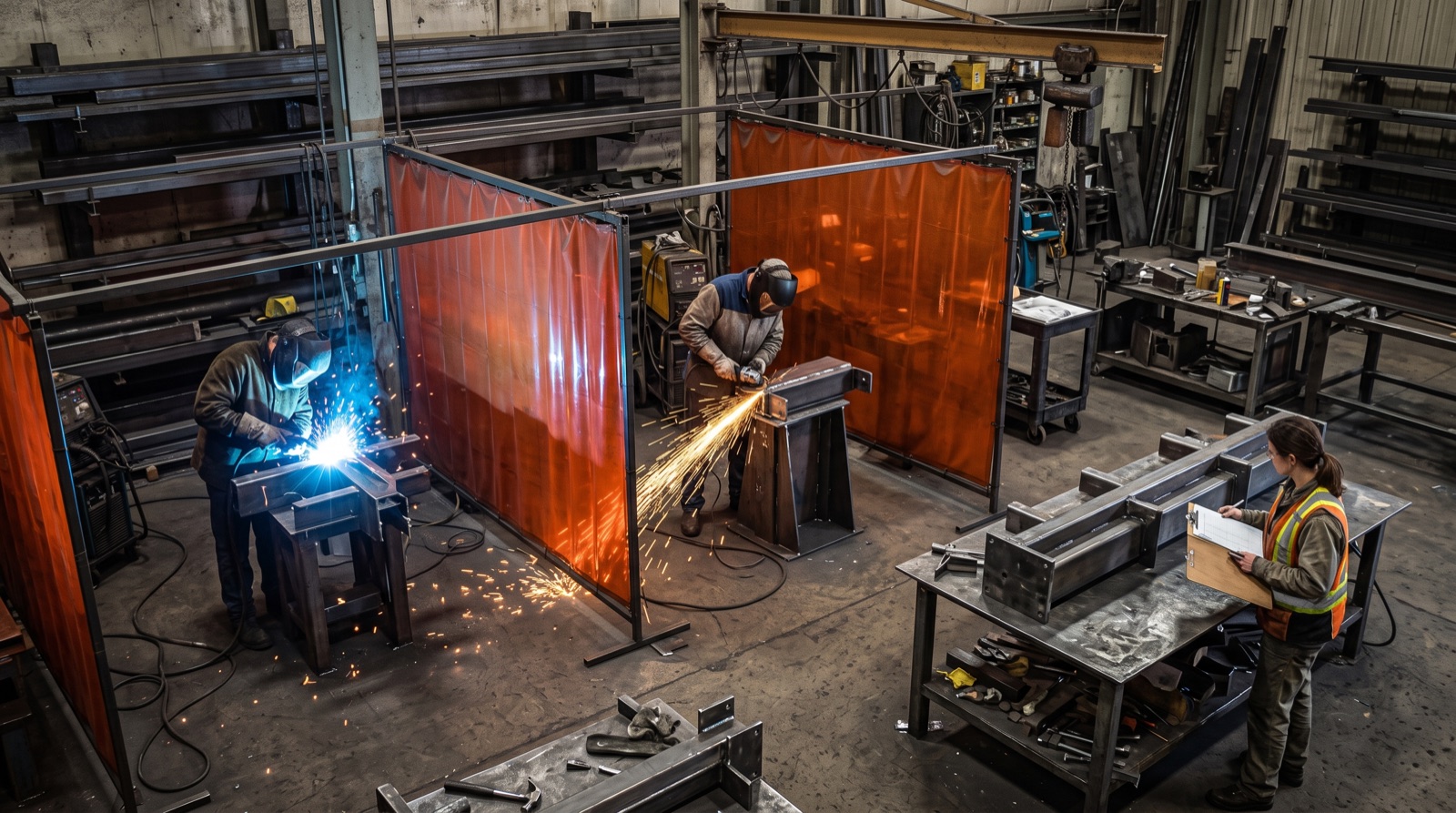
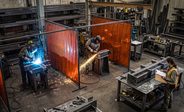
Welding: arc-on time against everything else
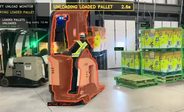
Fit-up, tacking, grinding, moving parts and waiting for review.
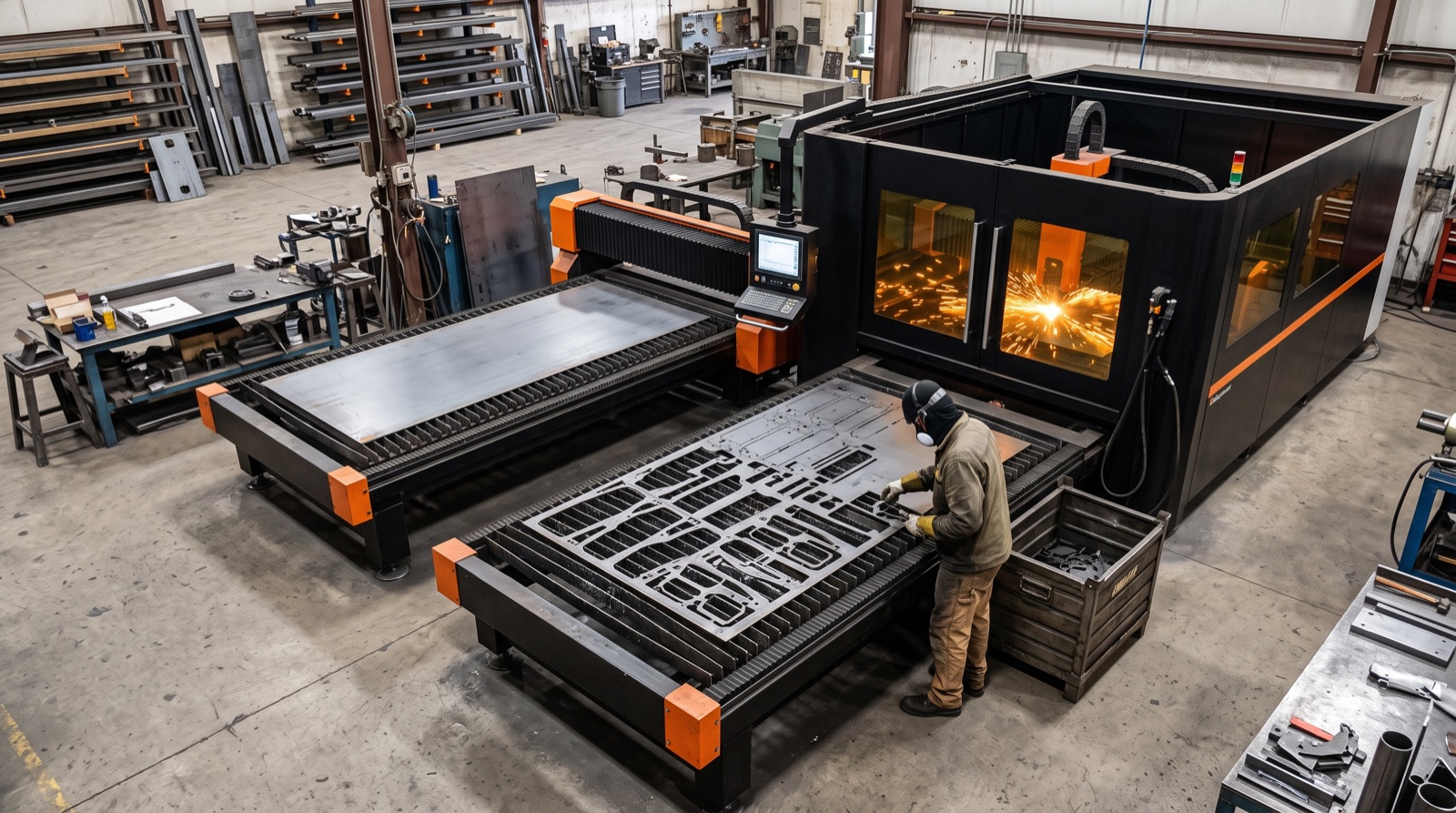
Laser: beam-on against load and unload
Pallet waiting, part sorting and skeleton removal.
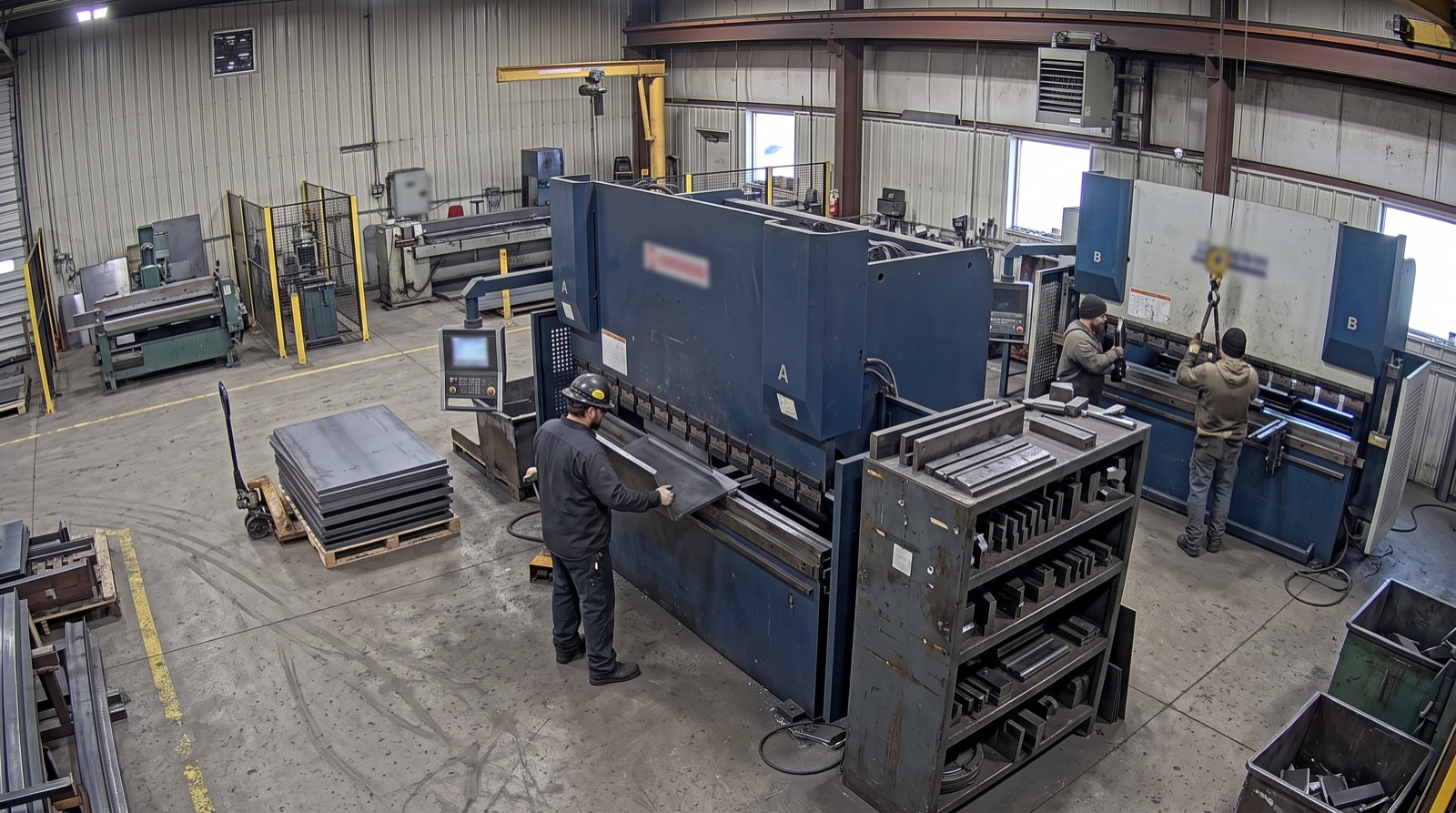
Press brake: setup against bend time
Tool changes, first-part checks and waiting on blanks, per job.
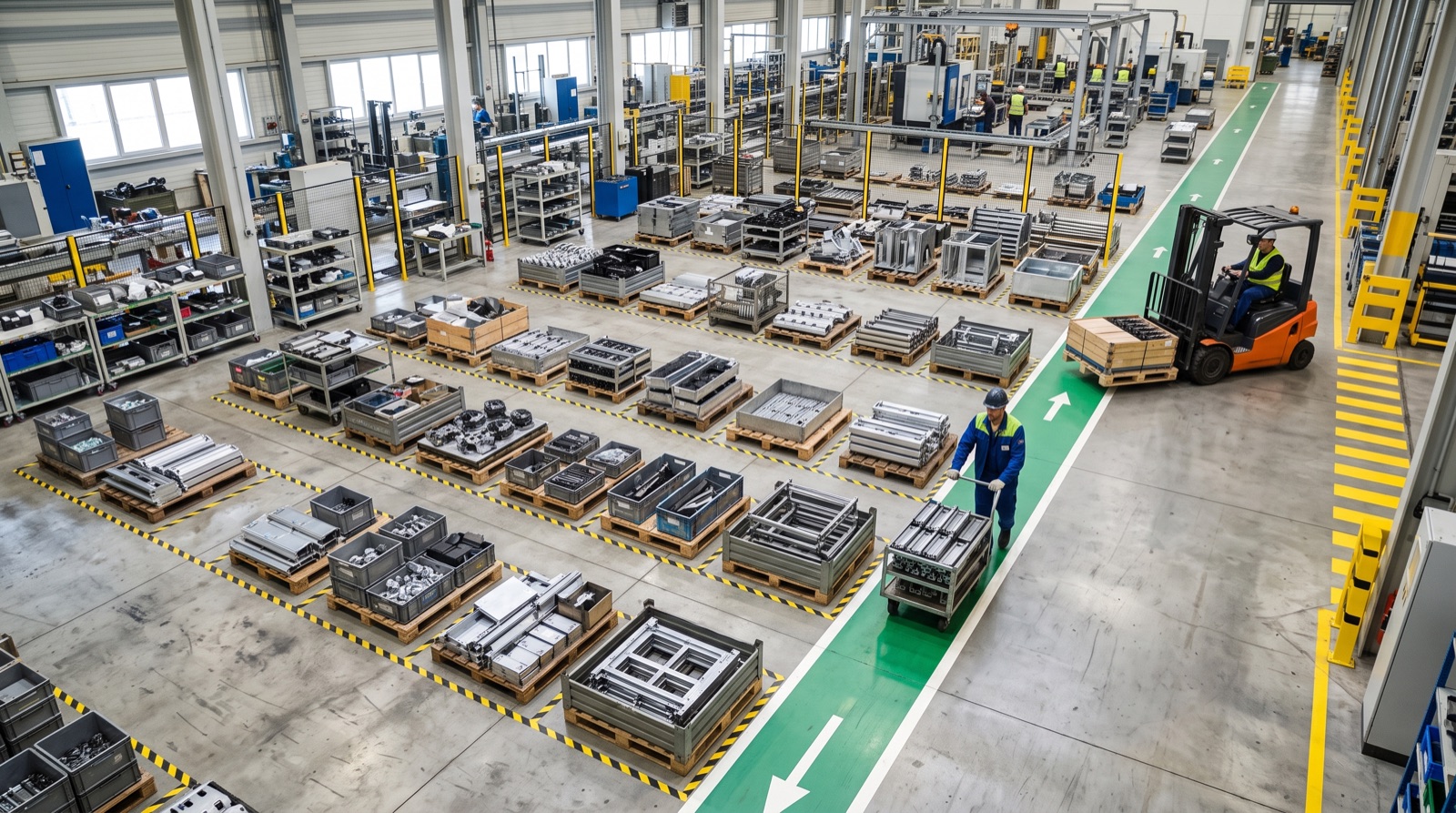
Track WIP in your fab shop and keep robotic weld cells fed
Excess WIP brings delivery problems.5 The camera sees carts that sit, crane waits and stations out of material. That includes robotic welding cells: an expensive cell that stands idle because fixtured parts haven't arrived is a material flow problem, not a robot problem.
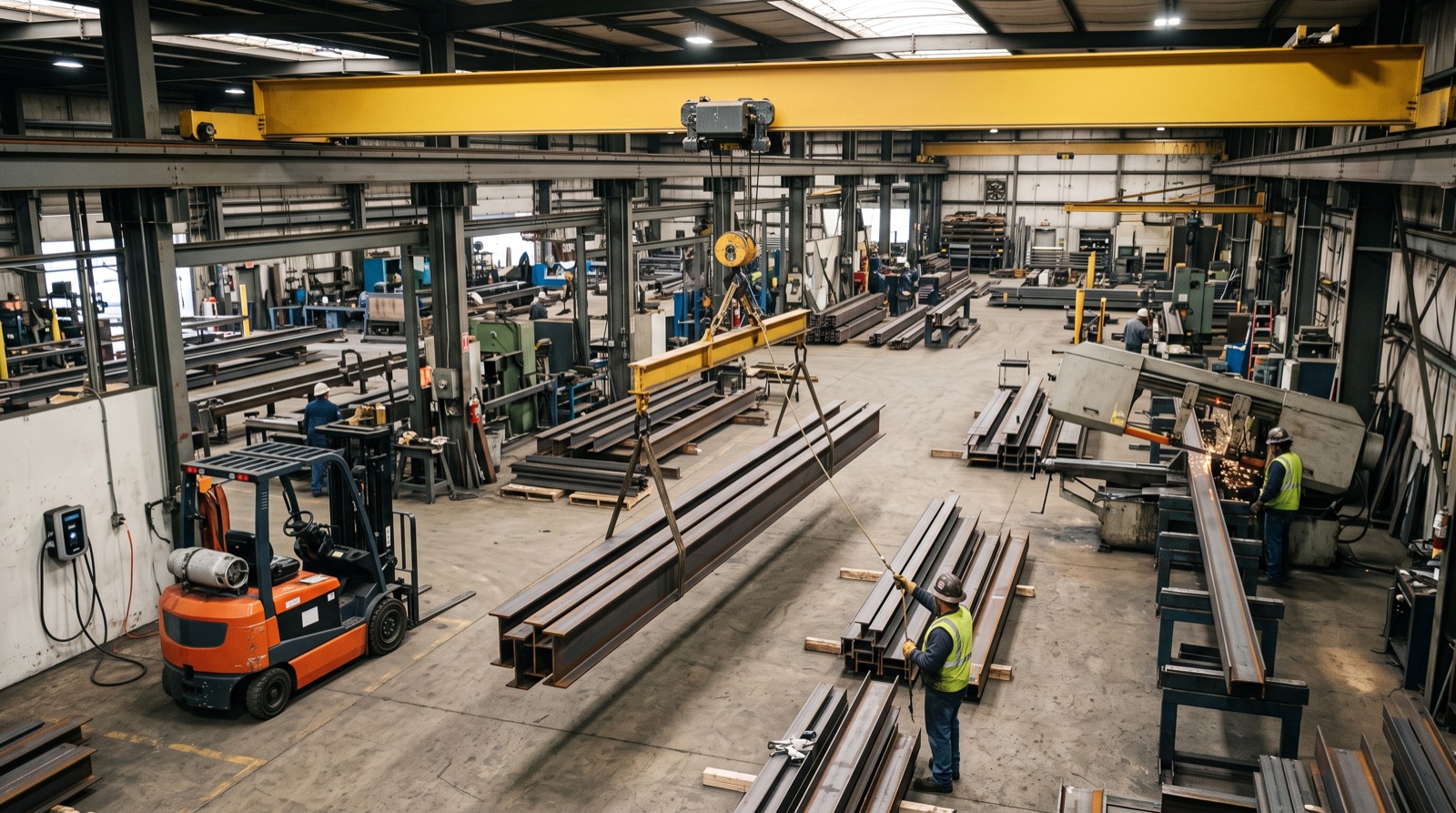
40 things your cameras can tell you about fab shop productivity
Each one is scoped in a feasibility check and tested on your footage.
Skilled hours are scarce, and most aren't arc time
Arc-on time in a typical manual cell that assembles, tacks and welds1
The Fabricator (The WELDER), 2014, updated 2024New welding professionals the US will need by 20292
AWS Foundation, 2025Of press brake bending time spent on setup, in a worked example3
The Fabricator, 2001On-time delivery among FMA benchmark shops in 2021, down from 87%4
FMA survey via The Fabricator, 2022Start with the cameras you have
Built for job shops and OEM fab departments: 94% of US fabricated-metal companies have fewer than 100 employees.6 A feasibility check comes first.
Connect your cameras
Your existing cameras over RTSP or your NVR, plus one where a station needs it.
We build the detection
Agnify's engineers map your stations and build and test the detection on your footage.
Run the floor on it
Dashboards, alerts with the clip, and exports next to your ERP.
Worker productivity results by station, or by operator using your shift assignments. No facial recognition; faces blurred in clips on request.
From your footage to a working result in two weeks
A free feasibility study on one cell, station or bay, with an agreed end date and no commitment. We reply within one business day.
- You send a few hours of footage, or camera accessPick the cell, station or bay you'd most like to understand.
- We come back with a written resultWhat we can measure on your cameras, how reliably, and what the first report would show.
- If it's useful, we scope a pilot togetherOne use case, live on your cameras, judged against criteria agreed up front.
Questions about cameras, privacy or IT? Read the FAQ
Or email info@agnify.ai